Before You Arrive
Belgrade is well-connected to the rest of Europe and beyond. Whether you're travelling by air, rail, or road, reaching the Serbian capital is increasingly straightforward.
Getting There
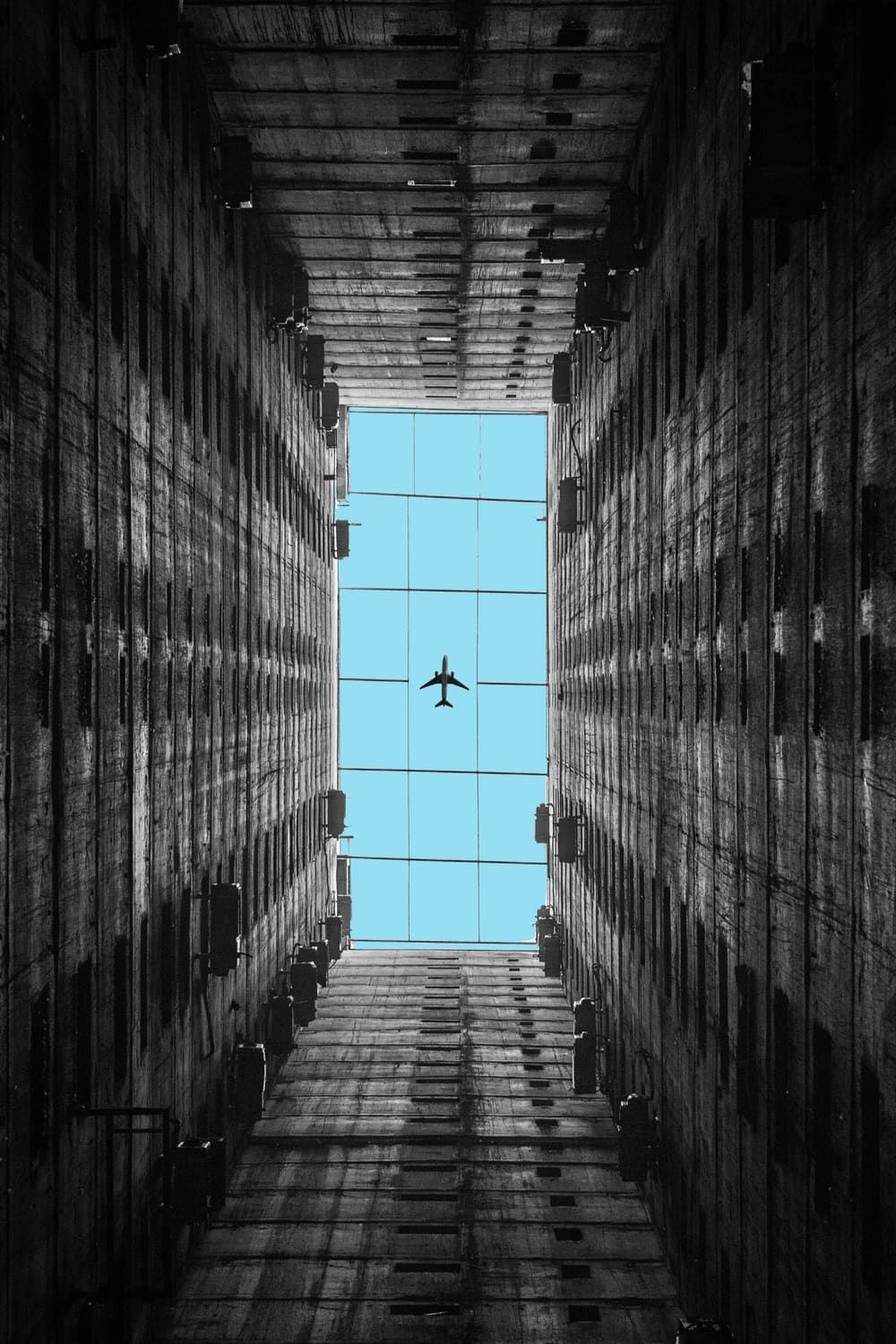
By Air: Belgrade Nikola Tesla Airport (BEG) is the main international airport, with regular flights from major European and international destinations. The airport is approximately 18km from the city centre.
By Train: Belgrade is connected to several European rail networks, with direct services from destinations including Budapest, Zagreb, and Thessaloniki.
By Road: Several major motorways connect Serbia to neighbouring countries, and bus services operate from many European cities.
Visa Requirements
Serbia has liberal visa policies for many nationalities. Citizens of EU countries, the US, UK, and many others can enter Serbia without a visa for stays of up to 90 days. Always check current requirements with the Serbian embassy or consulate in your country before travel.
Getting Around Belgrade
Public Transport
Belgrade has an extensive public transport network including buses, trams, and trolleybuses. Tickets can be purchased from ticket booths or via a transit card (BusPlus card).
Taxi and Ride-Sharing
Taxis are widely available and affordable by Western European standards. Use official taxi companies or verified apps to ensure fair pricing.
Walking and Cycling
Central Belgrade is highly walkable. Many of the key attractions in the city centre are within easy walking distance of each other. Cycling is growing in popularity, with a bike-sharing scheme operating across the city.
Accommodation
Belgrade offers accommodation to suit every budget, from luxury hotels and boutique properties to affordable guesthouses and hostels.
Luxury: Several international hotel chains operate in Belgrade, concentrated in the city centre and along the Waterfront development.
Mid-range: A growing number of boutique hotels and aparthotels offer excellent value in prime locations.
Budget: Belgrade has a well-established hostel scene, particularly popular with younger international visitors.
Currency and Payments
Serbia's official currency is the Serbian Dinar (RSD). Euro and other major currencies are not accepted for most transactions, though some businesses in tourist areas may accept them informally.
ATMs are widely available across the city. Credit and debit cards are accepted at most hotels, restaurants, and larger shops.
Language
Serbian is the official language. The Latin alphabet is widely used alongside Cyrillic. English is commonly spoken in the tourism and hospitality sector, and particularly among younger Belgradians.
Safety
Belgrade is generally considered a safe city for tourists. Standard precautions apply, as they would in any major European city.
This guide is for general informational purposes. Always verify current travel requirements and regulations before your visit.